What your energy rating means, and how to raise it
The EPC band on every listing, what the score measures, and the changes that move a home up a band for the least money.
 David Wren, partner at Allerton & Co
· 1 min read
Every home for sale or to rent needs an energy performance certificate. It gives a band from A to G and a score from 1 to 100, worked out from how the home is built, insulated and heated, and it shows the score the home could reach.
What moves the score
The biggest steps come from insulation and heating. Loft insulation to 270 mm is cheap and moves most homes a few points. Cavity wall insulation, where the walls have a cavity, moves more. Replacing an old boiler, or fitting a heat pump, moves the most.
Solid walls
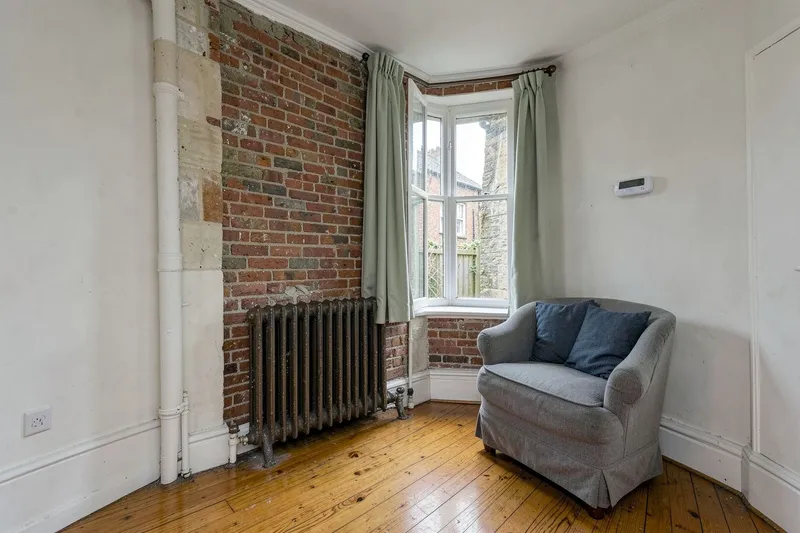
Victorian terraces and stone cottages have solid walls, which is why so many sit in band D or E. Internal or external wall insulation helps, but costs more; the certificate lists the steps in order of cost.
Why it matters when you sell
Buyers look at the band next to the price. Lenders offer better rates for A and B homes, and a landlord cannot let a home below band E.